

Private Lake Manyara Safari
Enter a green world of ancient trees, elephants, primates and open lake views beneath Tanzania’s Great Rift Valley escarpment.
The Park That Changes Before Your Eyes
There is a moment I always enjoy at Lake Manyara.
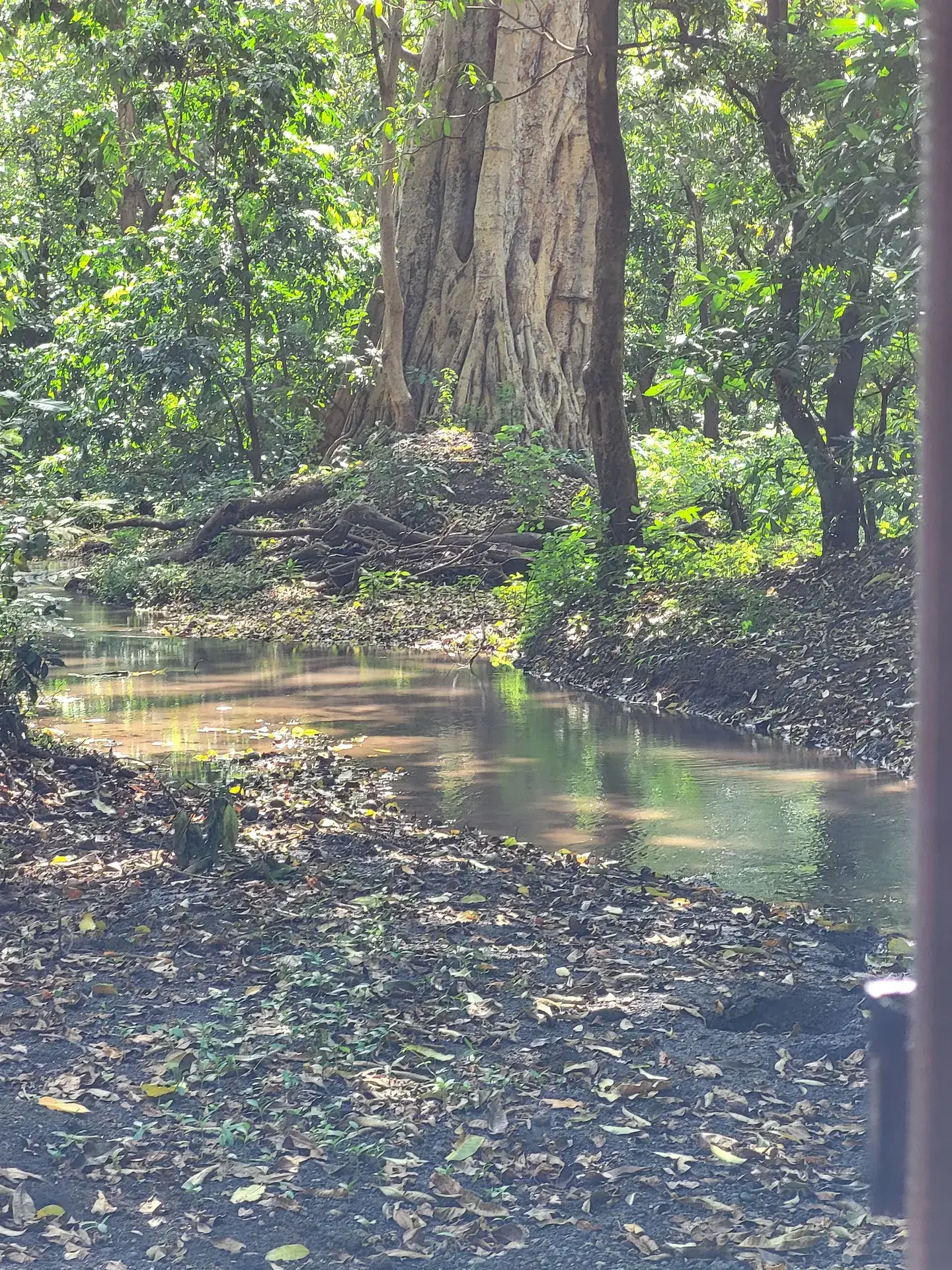
We leave the busy road near Mto wa Mbu, pass through the park gate and almost immediately the air feels cooler. Tall trees close around us. Sunlight falls through the leaves in narrow beams, baboons move through the undergrowth and somewhere above the vehicle a hornbill calls.
Then the forest begins to open. The lake appears in the distance, the sky becomes wider and giraffes, buffaloes and elephants have space to step into view.
That is what I remember about Manyara: not one famous animal, but the feeling of travelling through several different worlds in a single game drive.
Lake Manyara at a Glance
Set below the Great Rift Valley escarpment, between Arusha and the Ngorongoro Highlands.
A compact park with remarkably different habitats close together.
Elephants, giraffes, buffaloes, baboons and hippos are among the animals that may be seen.
Pelicans, storks, herons and flamingos may gather when water and feeding conditions are suitable.
Historically associated with the park, but never a sighting that can be promised.
Forest, woodland, floodplain and lake shore can all unfold during one unhurried game drive.
Where the Escarpment Meets the Lake
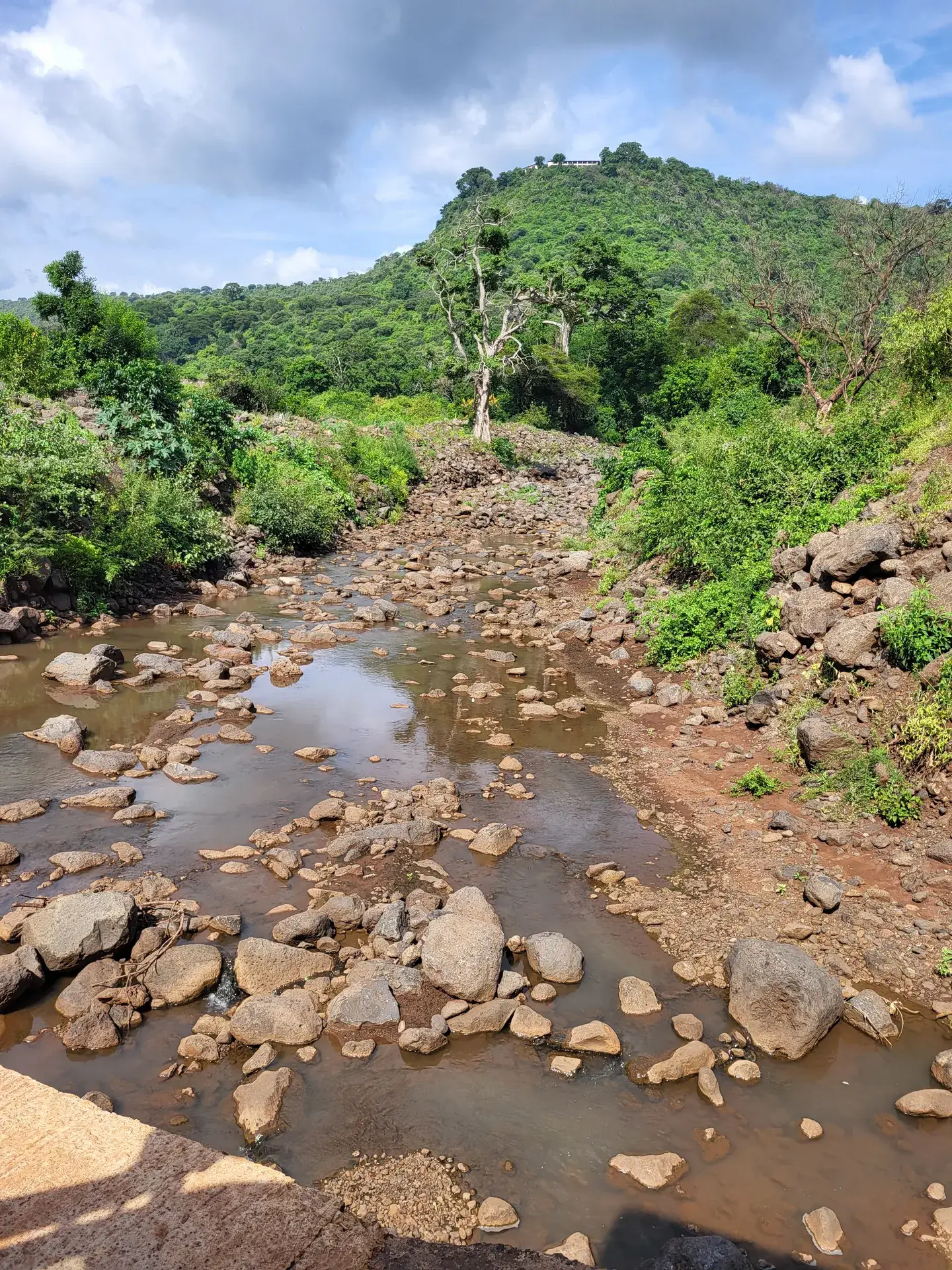
From the escarpment, Lake Manyara looks like a silver-blue sheet resting on the valley floor. Down below, the park occupies a narrow ribbon of land between the steep Rift Valley wall and the water.
Springs rise near the base of the escarpment and feed the groundwater forest. Even after many visits, the size of the old trees still makes me slow down. Their roots reach towards clear channels, vines hang between the branches and every patch of shade seems to hold another sound.
A grey shape may become an elephant. A movement high in the canopy may become a blue monkey. Then, only a short drive later, the forest gives way to woodland, grassland and the bright open edge of the lake.
Watch Between the Trees.
Elephants can appear quietly where the forest meets the open ground.
Slow Down. The Forest Is Already Watching.
At Manyara, I often begin a game drive more slowly than guests expect.
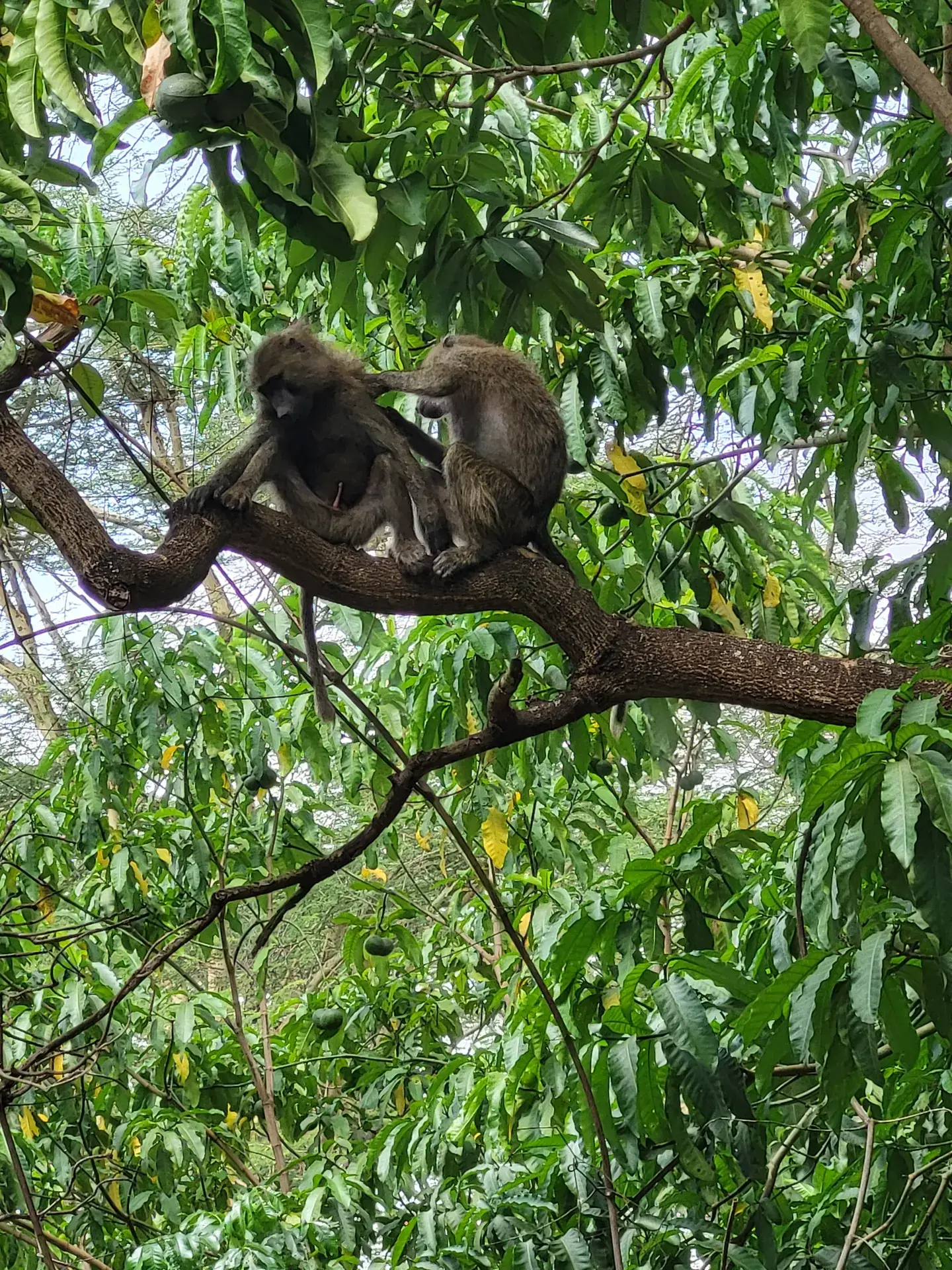
Baboons may be sitting beside the road, grooming one another with complete concentration. Youngsters chase each other over fallen branches while the adults keep one eye on the forest.
Blue monkeys are quieter. We usually notice the leaves moving first, then a tail or a face high in the canopy.
Elephants can be just as surprising. In dense vegetation, an animal that weighs several tonnes can remain almost invisible until it steps forward and the whole forest suddenly seems too small for it.
The Lions That Gave Manyara a Legend
For many years, travellers have arrived at Lake Manyara with one image in mind: a lion stretched across the branch of a tree.
The park became historically famous for this behaviour, and it is still possible to find lions resting above the ground. When we search, we look for the small clues—a paw hanging below a branch, the curve of a back or the sudden attention of another vehicle.
Some days the trees keep their secret. Those are often the days when an elephant appears close to the road, baboons fill the canopy or a hornbill becomes the sighting everyone remembers.
Follow the Water.
Buffaloes and waterbirds move with the changing edge of the lake.
More Than a Pink Horizon
When we reach the open shore, I usually switch the engine off for a while.
The sound changes first. Pelicans move together across the water, storks search the shallows and herons stand so still that guests sometimes mistake them for branches. Above us, raptors use the warm air rising along the escarpment.
Flamingos are part of Manyara’s history too. Their numbers move with water, salinity and feeding conditions, so the lake is not always covered in pink. When a flock is present, it feels like the landscape has changed colour.
Sometimes the Best Moment Is a Quiet One.
The Lake Has Its Own Rhythm
Lake Manyara has never been a fixed landscape. Rain arrives, the water advances, new pools form and wildlife adjusts.
In recent years, high water has reshaped parts of the shore and changed access to some of the old game-drive routes. It means that the Manyara I knew years ago is not exactly the Manyara we explore today.
But change is also part of what makes the park interesting. Buffaloes move along new waterlines, birds gather where feeding is best and the forest remains cool and alive beneath the escarpment.
That is why we consider current conditions when fitting Manyara between Tarangire National Park and the Ngorongoro Crater. The aim is not to collect park names, but to let every stop add something different to the journey.
One Landscape.
Part of a Larger Journey.
Best Time to Visit Lake Manyara
I enjoy Lake Manyara in different ways throughout the year. Drier periods can open the vegetation and draw our attention towards the lake shore. After rain, the forest becomes intensely green and the birdlife seems to fill every layer of the park.
The experience follows rainfall, lake levels and vegetation rather than a simple calendar. That is why we look at recent local conditions when planning the route.
Drier Periods
More open vegetation can help wildlife viewing, while conditions still vary around the lake.
Greener Months
Lush scenery and birdlife can be beautiful, with rain and lake levels influencing access.
For the wider seasonal picture, read our Best Time to Visit Tanzania guide.
A Gentle Beginning—or a Beautiful Change of Pace
Because Lake Manyara lies between Arusha, Tarangire and the Ngorongoro Highlands, it can fit naturally into a northern Tanzania journey.
For first-time safari guests, it can be a gentle introduction: the game drive begins in shade, the distances are manageable and there is time to learn how to look. Later in a longer safari, Manyara offers something different from the open plains—a return to forest, water and close observation.
I especially enjoy the park with travellers who are curious about birds, trees, primates and the connections between habitats, not only the largest animals.
Leave Room for What the Day Reveals
A private safari gives us the freedom to follow the rhythm of the park. We can stop when young baboons begin to play, wait beside the forest when an elephant is moving closer or take time to identify a bird whose colours caught your eye.
There is no need to rush from one sighting to the next. Sometimes the best part of Manyara is simply sitting quietly while the forest settles around us again.
That patient, personal way of travelling is what we want every Lyoseko safari to feel like.
Planning Your Lake Manyara Safari
Is Lake Manyara worth visiting?
Yes, when its forest, birdlife and contrasting habitats add something meaningful to your route. It is especially rewarding for travellers who enjoy a slower game drive and the smaller details around each wildlife encounter.
Can I see tree-climbing lions in Lake Manyara?
The park is historically famous for this behaviour, and seeing a lion in a tree remains possible. It is never guaranteed, and we recommend visiting for the wider landscape and wildlife rather than one expected sighting.
Will I see flamingos at Lake Manyara?
Flamingos may gather when water, salinity and feeding conditions are suitable. Their location and numbers change, so a large flock cannot be promised.
How have high water levels affected Lake Manyara?
High water has changed parts of the lake shore and can affect vegetation, roads and access to particular areas. Conditions evolve, which is why we consider up-to-date local information when planning.
How does Lake Manyara fit a northern Tanzania safari?
Its location can work well between Arusha, Tarangire and Ngorongoro. Whether it deserves a safari day depends on your interests, route, season and current park conditions.
Looking for more practical information? Visit our complete Tanzania Safari FAQ.
Explore Manyara With Time to Notice
Private Safaris Only
Your vehicle and the rhythm of the day are yours.
Local Eyes
We read the forest, water and recent wildlife movements as the day unfolds.
Wildlife Comes First
Every sighting is allowed to remain wild, unhurried and unexpected.
Tailor-Made Itineraries
Manyara receives the time and place that best suit your wider journey.
Based in Arusha
Local planning and support from a Tanzania-based safari company.
Time to Observe
When an encounter becomes interesting, a private safari lets us stay.
Compare the northern circuit on our Serengeti, Tarangire and Ngorongoro pages, or review Tanzania Safari Costs.
Enter the Forest. Follow the Water.
Watch for elephants between ancient trees, listen for hornbills above the vehicle and see the Great Rift Valley open towards the lake.
Your safari is private, personal and unhurried, with time to enjoy the moments Manyara reveals along the way.
Sometimes the forest keeps its secrets.
Sometimes it lets us look inside.