

Plan around nature
Best time to visit Tanzania
Tanzania rewards travellers all year. The best time for your safari depends on the wildlife moments, landscapes and pace you most want to experience.
A local guide to every season
When is the best time for a safari in Tanzania?
There is no single best month for every traveller. Tanzania’s Northern Circuit changes with the rains: herds move, water sources shrink and refill, and each landscape reveals a different side of the wild.
Choose January to March for the southern Serengeti calving season, June to October for classic dry-season game viewing, or the greener months for fewer vehicles, dramatic skies and rich birdlife. I use your priorities to shape a private route through Serengeti, Ngorongoro Crater, Tarangire and Lake Manyara.
Tanzania safari seasons
Four rhythms of the Northern Circuit
Use this seasonal guide as a starting point. Wildlife follows nature rather than a fixed calendar, so the best route always depends on current local conditions.
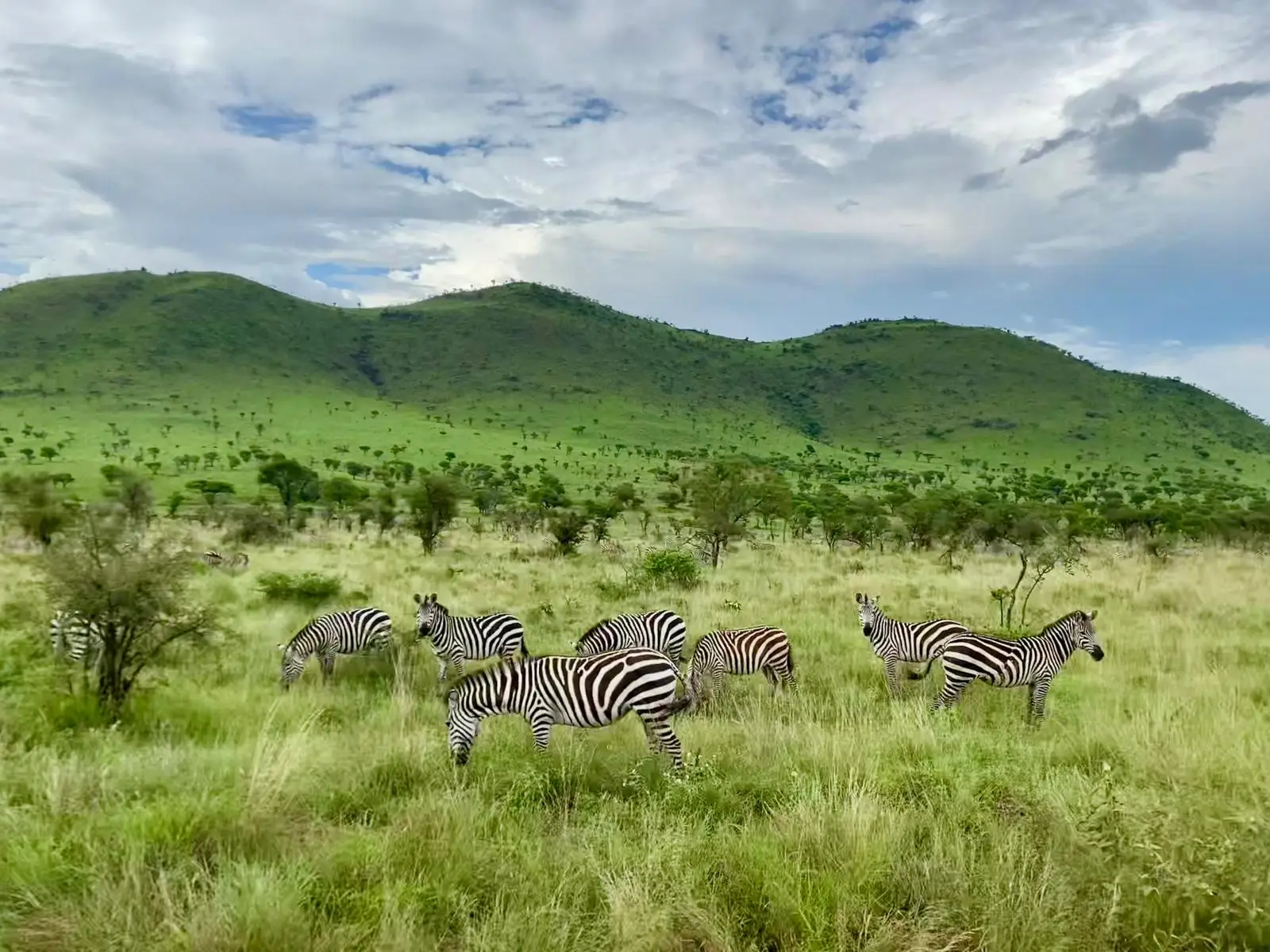
January–March
Calving season: new life on the southern Serengeti plains
Vast wildebeest herds gather around Ndutu and the southern Serengeti, where many calves are born in a short period. The abundance of vulnerable young animals also attracts lions, cheetahs and hyenas, creating intense predator activity.
- Best for
- Calving, predators and green plains
- Where
- Southern Serengeti and Ngorongoro Conservation Area
April–May
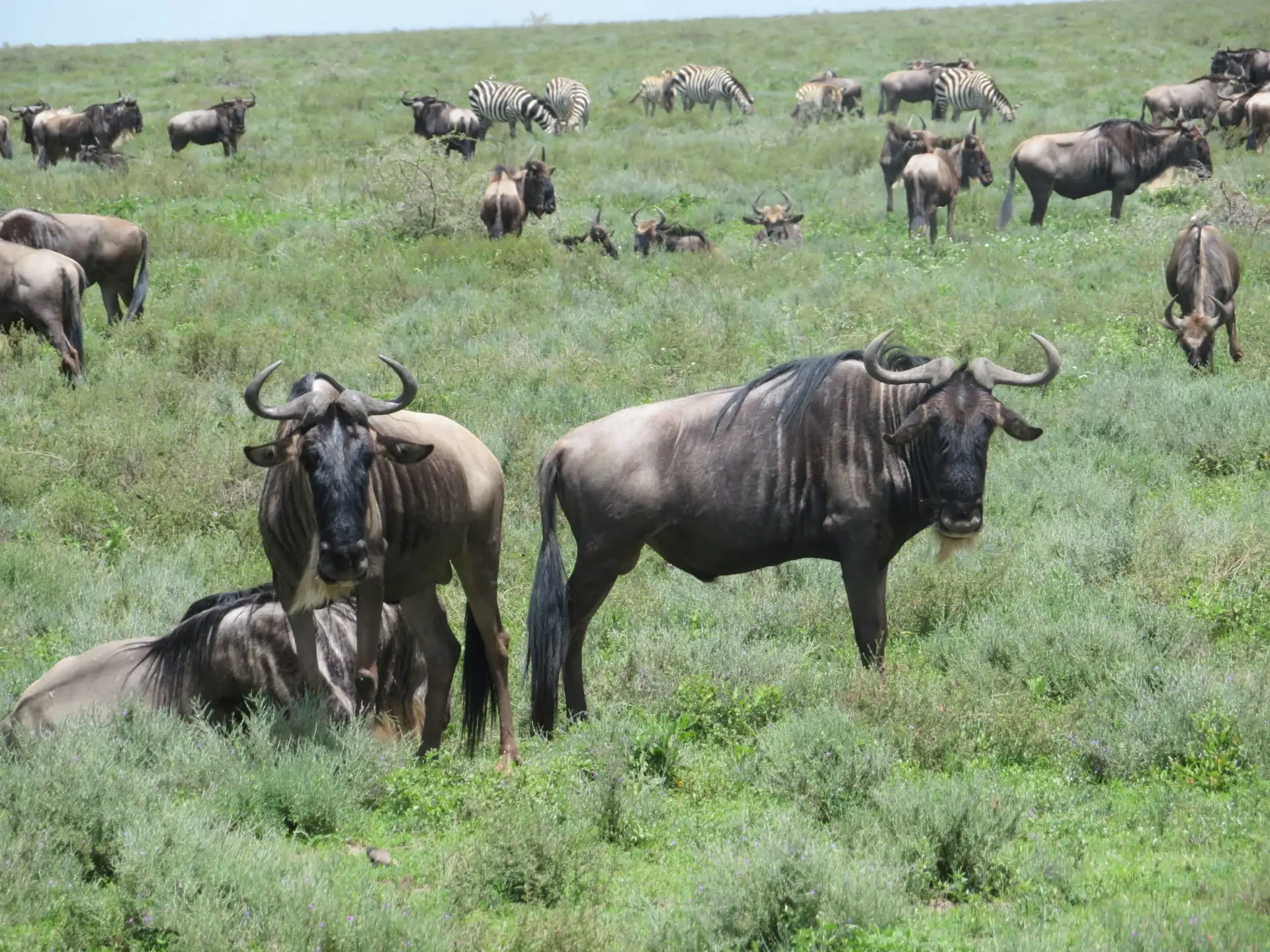
Long rains: green landscapes and a quieter safari
Seasonal showers transform the parks into deep green landscapes. Visitor numbers are usually lower, the light can be beautiful and migratory birds add colour. Some tracks become muddy and rain may affect plans, but flexible travellers are rewarded with space and atmosphere.
- Best for
- Fewer vehicles, birdlife and photography
- Where
- Ngorongoro Crater, Lake Manyara and the central Serengeti
June–October
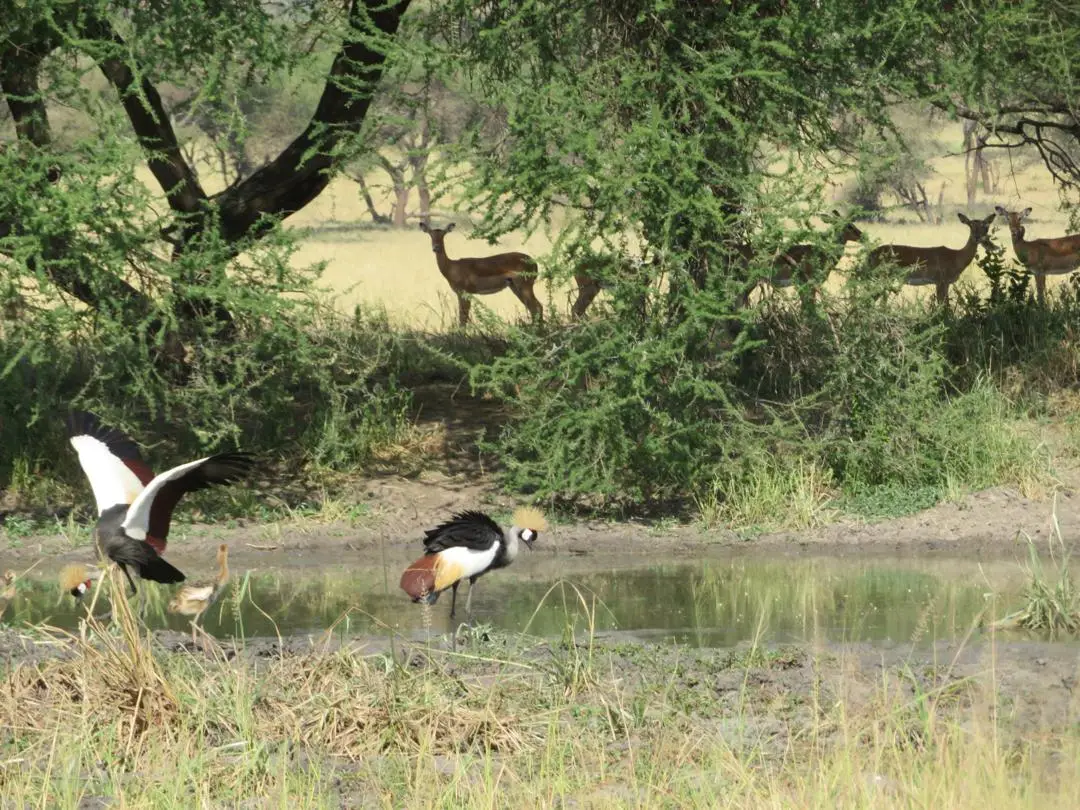
Dry season: classic wildlife viewing and migration crossings
Clear days and thinning vegetation make this the most popular Tanzania safari season. Wildlife gathers near permanent water, Tarangire’s elephant herds grow, and the Great Migration moves through the western and northern Serengeti. River crossings may occur, but their timing can never be guaranteed.
- Best for
- Reliable game viewing, elephants and dry weather
- Where
- Tarangire, Serengeti and Ngorongoro Crater
November–December
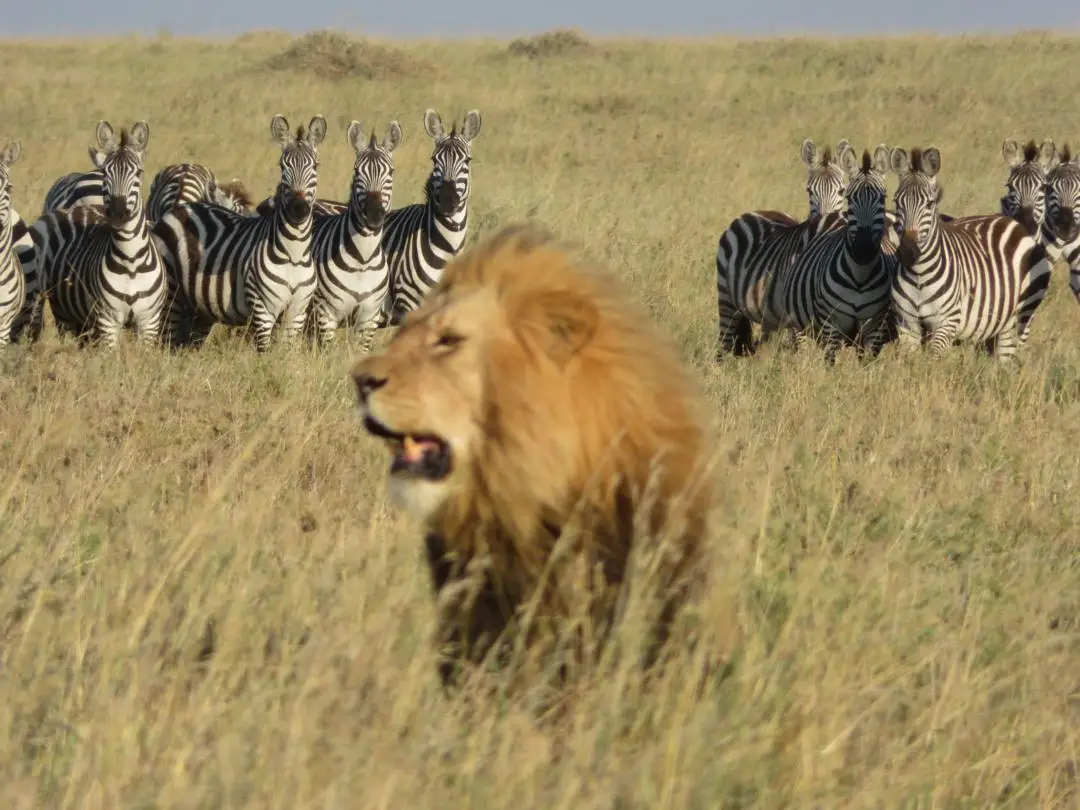
Short rains: returning herds and fresh scenery
Brief, often local showers refresh the landscape without usually taking over the day. Migratory birds return, the plains regain their colour and the migration begins moving south again. It is a rewarding period for travellers who value changing light and a quieter feel.
- Best for
- Fresh scenery, birdwatching and fewer crowds
- Where
- Serengeti, Lake Manyara and Tarangire
At a glance
Tanzania safari calendar
Conditions overlap and can shift from year to year. This overview helps match your dates to the experience you value most.
| Period | Landscape | Wildlife focus | Travel feel |
|---|---|---|---|
| Jan–Mar | Green southern plains | Calving and predators | Active and dramatic |
| Apr–May | Lush and atmospheric | Birdlife and resident game | Quietest period |
| Jun–Oct | Dry and golden | Waterholes and migration | Popular; book early |
| Nov–Dec | Fresh after short rains | Returning herds and birds | Quieter and flexible |
Practical questions
Planning your Tanzania safari
What is the best month to visit Tanzania?
For dry weather and classic game viewing, July to October is a strong choice. For calving and predator activity, consider January to March. The best month depends on your priorities, route and tolerance for crowds or rain.
When is the Great Migration in Tanzania?
The herds remain in the Serengeti ecosystem throughout the year, but their location changes with rainfall and grazing. Calving is usually associated with the southern plains early in the year; western and northern movements follow later. Exact timing is never guaranteed.
Is the rainy season suitable for a safari?
Yes. The green season offers lush scenery, birdlife, dramatic light and fewer vehicles. Showers and muddy tracks can affect plans, so a flexible private itinerary and realistic expectations are important.
How far ahead should I book?
For July to October and the festive period, booking well ahead gives you more choice of camps and lodges. Other months can be more flexible, but small, characterful properties still fill early.
Your dates, your priorities
Let’s choose the right season and route together
Tell me what you hope to see and how you like to travel. I will help shape a private Tanzania safari around the rhythm of the season.